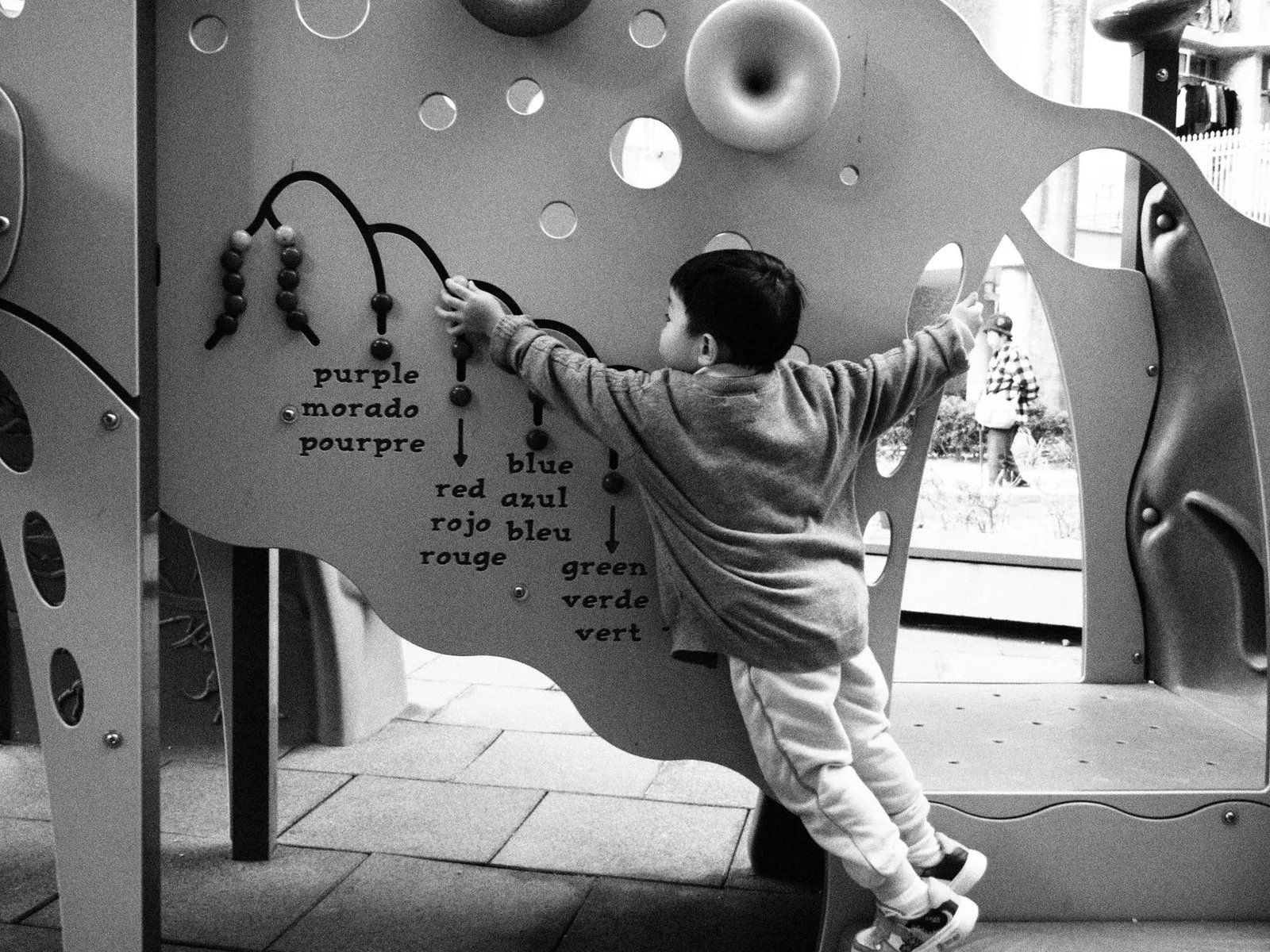
Children do not need to be “gifted” to grow up multilingual. They need steady exposure, positive motivation, and adults who make language feel useful rather than stressful. Whether your child is learning a heritage language, a school language, or a language you are learning together, your role is not to create a perfect speaker overnight. It is to build an environment where curiosity, confidence, and communication can grow.
Make the language part of real life
Children learn best when language is connected to something meaningful. Instead of limiting practice to flashcards or grammar drills, bring the language into daily routines. Use it during breakfast, while getting dressed, on walks, or during play. Even small phrases like “Where are your shoes?” or “Do you want water?” become powerful when repeated naturally.
If you do not speak the language fluently, that is still okay. You can learn simple phrases together, label objects around the house, or listen to songs during car rides. The goal is consistent contact, not perfection.
Prioritize joy before accuracy
A child who enjoys a language will return to it. A child who feels constantly corrected may avoid it. This does not mean mistakes should be ignored forever, but correction should be gentle and age-appropriate. If your child says something incorrectly, you can model the correct version naturally in your reply.
For example, if they say, “I goed to the park,” you might answer, “Yes, you went to the park! What did you do there?” This keeps the conversation moving while still providing useful input.
Use stories, songs, and play
Books, music, cartoons, games, and pretend play are excellent tools for language development. Stories help children understand vocabulary in context. Songs make pronunciation and rhythm memorable. Games reduce pressure and encourage repetition without boredom.
Choose materials that match your child’s interests, not just their level. A dinosaur-loving child may stay engaged with a slightly difficult dinosaur book longer than with an easier book they find dull. Motivation often matters as much as difficulty.
Build a community around the language
Languages are social. If possible, give your child chances to hear and use the language with different people: relatives, tutors, classmates, online story groups, cultural events, or local meetups. Seeing that a language belongs to real people and real relationships helps children understand why it matters.
For heritage languages, family connections can be especially powerful. Video calls with grandparents, cooking traditional foods, or celebrating holidays in the language can make learning feel personal and emotionally rich.
Be patient with uneven progress
Multilingual children may mix languages, prefer one language for a while, or understand more than they can say. These patterns are normal. Progress is rarely linear, and silent periods do not mean learning is not happening. Keep offering input, encouragement, and opportunities to communicate.
Start with one simple change this week: add a short daily language routine your child can enjoy, such as a bedtime story, a song at breakfast, or five minutes of conversation during a walk. Keep it positive, repeat it consistently, and watch how small moments become long-term language growth.