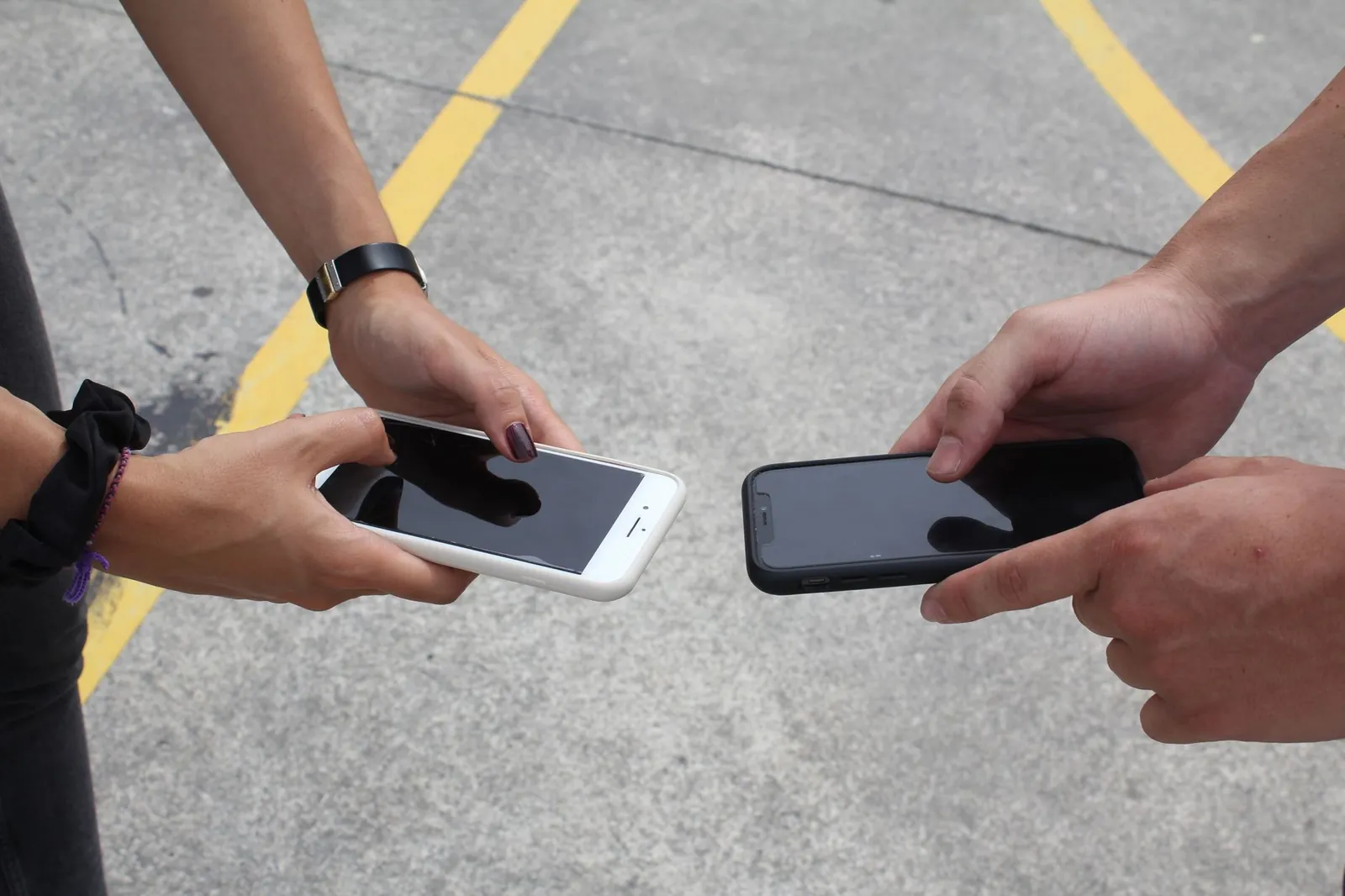
spent six weeks testing the ten most-downloaded language apps on the market right now. Duolingo, Babbel, Rosetta Stone, Busuu, Lingoda, Memrise, Pimsleur, Clozemaster, Anki, and HelloTalk. I evaluated each against four criteria that actually matter for adult learners: time-to-first-conversation, depth of grammar instruction, pronunciation feedback quality, and long-term retention mechanics. Here is what I found.
The biggest surprise was how far AI-powered conversation practice has come. Apps that offer live, adaptive dialogue -- where the AI corrects your accent mid-sentence and adjusts its replies to your skill level -- produced faster speaking confidence than any structured course. Pimsleur and a newer entrant called LangAI lead this category. If your goal is to order food or hold a five-minute chat within two weeks, skip the gamified apps and start here. The tradeoff is that these tools are weak on written grammar. You will speak early, but you may write like a tourist for longer.
For grammar depth, nothing beats a well-organized Anki deck paired with a reference grammar book -- but that is not an app, it is a system. Among actual apps, Busoo and Lingoda offer the clearest explanations of verb conjugation, case systems, and sentence structure. Babbel is decent but overly cautious, never letting you fail enough to learn from mistakes. Duolingo keeps adding features but still punishes error rather than explaining it. If you are learning a language with cases (German, Russian, Polish, Latin), do not rely on gamified drills alone. You need explicit rule teaching.
Pronunciation feedback has improved dramatically. A year ago, most apps could only tell you "try again." Now, tools like Speechling and the upgraded Rosetta Stone TruAccent engine pinpoint exactly which phoneme you mispronounced and show a waveform comparison. This matters most for tonal languages (Mandarin, Thai, Vietnamese) and languages with unfamiliar vowel inventories (French, Danish). For English speakers learning Spanish or Italian, pronunciation is less of a bottleneck and the extra feedback is nice but not essential.
Retention mechanics are where the industry still struggles. Spaced repetition has become table stakes -- every major app uses it now. But none of them deal well with the forgetting curve for non-vocabulary items like word order or politeness registers. Clozemaster comes closest by testing whole sentences in context. Anki remains the gold standard if you build your own cards. For everyone else, the best retention strategy is to combine one structured app with at least ten minutes of passive listening (podcasts, music, radio) in your target language every day. No single app can replace daily ambient exposure.
Here is the actionable takeaway: Pick two apps. One for speaking confidence (Pimsleur or an AI dialogue tool), one for grammar structure (Busuu or a reference-heavy course). Add twenty minutes of passive listening daily. Use the free trials to test the combination for one week -- not one lesson. If you are not having a basic conversation by day seven, swap the speaking app. Your time is too scarce to spend six months building a streak in an app that does not get you talking.