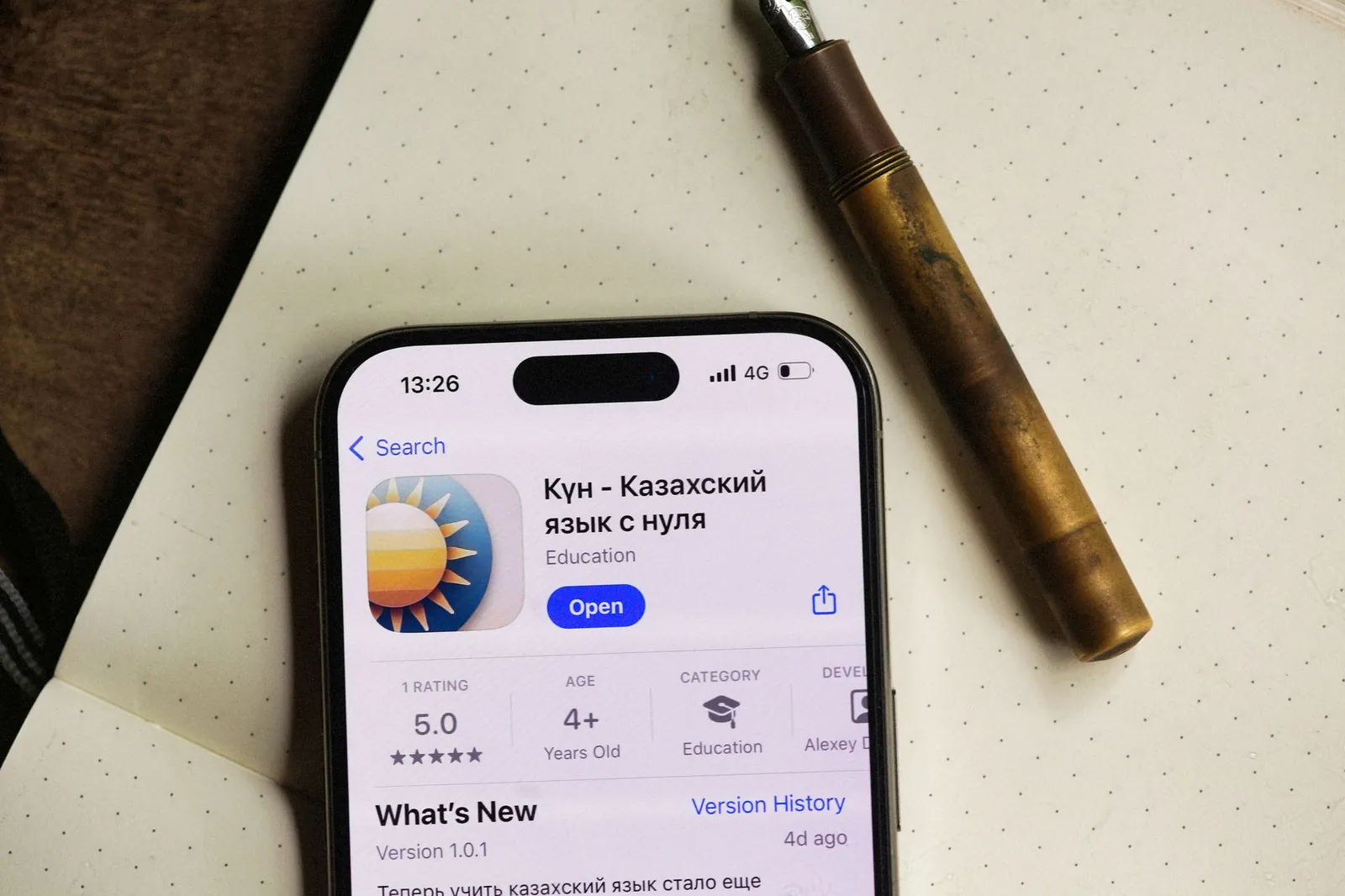
Learning a language is easier when practice feels immediate, personal, and low-pressure. That is the promise behind AI-powered conversation tools: they let learners speak, make mistakes, get feedback, and try again without waiting for a tutor or scheduling a class. For many learners, this kind of daily, interactive practice can turn passive study into active communication.
One of the biggest advantages of an AI language partner is consistency. Traditional learning often depends on motivation, class schedules, or finding someone available to talk. A conversation app can be used for ten minutes during lunch, after a lesson, or before bed. That frequency matters. Languages are built through repeated exposure, retrieval, and correction, not occasional long study sessions. Short daily conversations help vocabulary move from recognition to recall.
Another useful feature is personalization. Instead of practicing only textbook dialogues, learners can explore topics they actually care about: travel, work, food, culture, hobbies, exams, or everyday small talk. This makes practice more memorable because the language connects to real interests. A learner preparing for a trip might rehearse ordering coffee, asking for directions, or handling a hotel problem. Someone learning for work might practice introductions, meetings, or polite disagreement.
Feedback is also central. Many learners avoid speaking because they fear embarrassment or correction in front of others. An AI tutor can create a safer environment for experimentation. If the system highlights grammar issues, suggests more natural phrasing, or explains vocabulary in context, the learner gets immediate guidance while the conversation is still fresh. That kind of feedback loop can be especially helpful for intermediate learners who know many words but struggle to sound natural.
Still, AI tools work best as part of a balanced routine. They are excellent for repetition, confidence, and flexible speaking practice, but they should not fully replace human interaction. Real conversations include accents, interruptions, humor, body language, and cultural nuance. Learners should combine AI practice with listening to native content, reading graded materials, writing short responses, and speaking with real people whenever possible.
The most effective way to use a tool like this is to set a specific goal before each session. Instead of “practice Spanish,” try “describe my weekend using the past tense” or “practice ordering food politely.” After the session, save three new phrases and reuse them the next day. Small, focused sessions create measurable progress.
If you are learning a language, try using AI conversation practice as a daily speaking habit rather than a complete course. Pick one scenario, speak for ten minutes, review the corrections, and reuse what you learned in your next session. The goal is not perfect speech today; it is becoming a little more fluent, confident, and automatic every week.