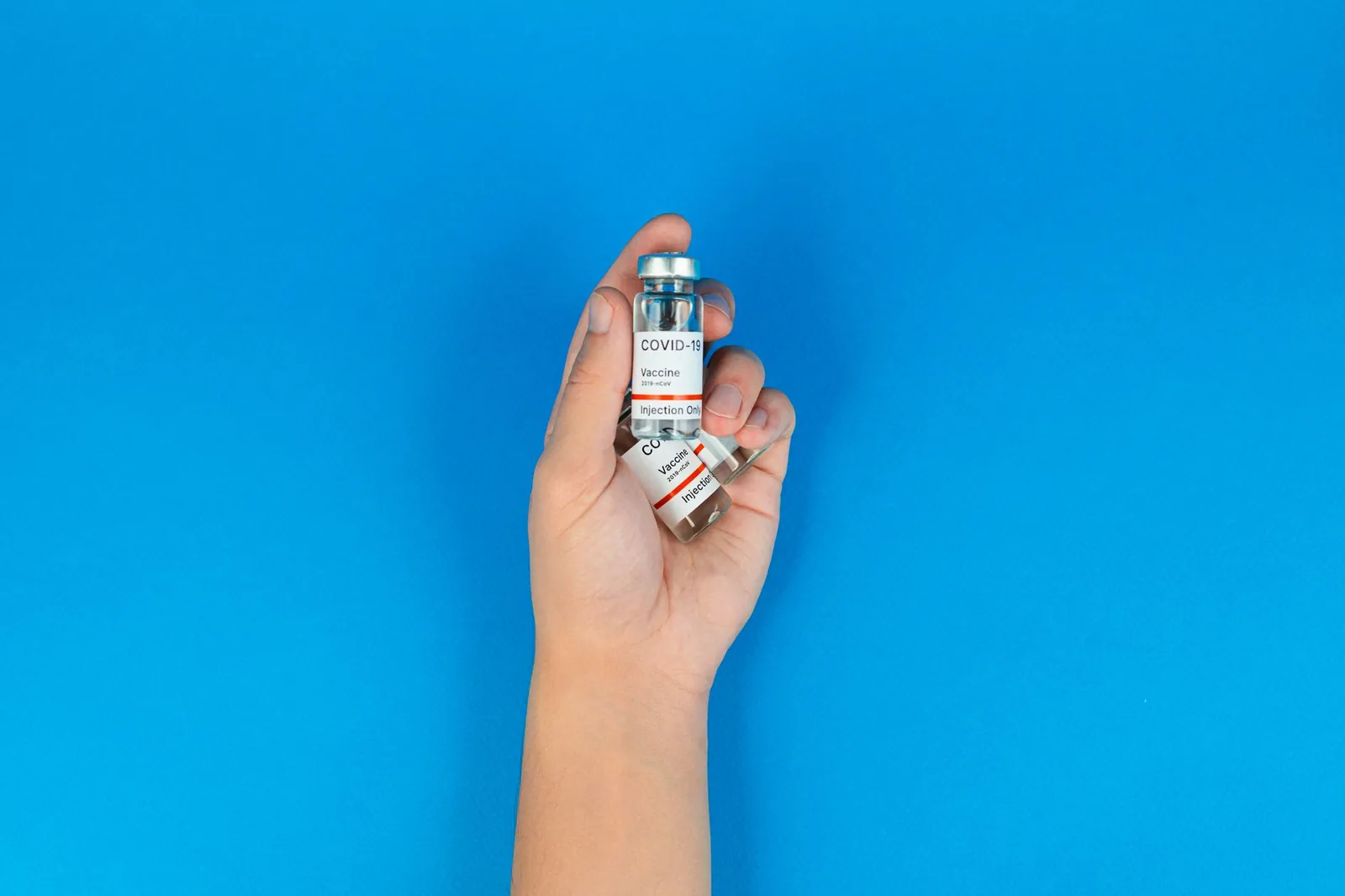
Most people learning English for healthcare or biotech work assume the hard part is vocabulary. It isn't. The hard part is knowing which institutions actually move the needle on safety, and which ones only sound like they do. The FDA's Center for Biologics Evaluation and Research runs a program called the Biologics Effectiveness and Safety (BEST) System, and if your job touches vaccines, blood products, gene therapies, or monoclonal antibodies, this is the engine quietly checking what happens after approval.
First, BEST is a post-market surveillance program, not a pre-approval review. Vaccines and other biologics clear clinical trials with a few thousand participants, then enter a population of millions. Rare adverse events, delayed reactions, and subgroup effects only surface at that scale. BEST exists to find them, which is why CBER frames it as part of an active surveillance mission rather than a one-time study.
Second, the data sources are real-world and massive. BEST pulls from insurance claims, electronic health records, and large linked datasets that cover tens of millions of patients. That means when a safety signal appears, analysts can ask questions like whether a vaccine increases the risk of a specific condition in a specific age band, and get an answer grounded in actual care patterns, not self-reports.
Third, the methodology is comparative. Rather than counting events in isolation, BEST typically compares outcomes between exposed and unexposed groups, adjusting for confounders such as age, sex, comorbidity, and concurrent medications. For learners reading FDA briefing documents, recognizing terms like propensity scoring, cohort study, and sequential analysis is the difference between skimming the page and actually following the argument.
Fourth, signals lead to action, not panic. A flagged signal is a hypothesis, not a verdict. CBER publishes the methodology, often partners with the CDC and academic groups, and only escalates to label changes, Risk Evaluation and Mitigation Strategies, or formal communications when the evidence holds up. Learning to read a BEST summary means understanding the difference between a statistical association and a confirmed causal link.
Fifth, the vocabulary transfers. Once you can describe an active surveillance system, an exposed cohort, and a confounder in plain English, you can read regulatory news in any language with the same skeleton. The institutions change, the terminology shifts, but the underlying logic — monitor, compare, adjust, communicate — stays constant.
If you regularly read FDA or EMA updates for work, the fastest way to build that vocabulary is practicing summaries out loud with feedback. The Lingua-Lab app offers a free trial where you can explain biologics safety concepts in your own words and get corrections on the precise terminology, which is the skill that turns reading into comprehension.