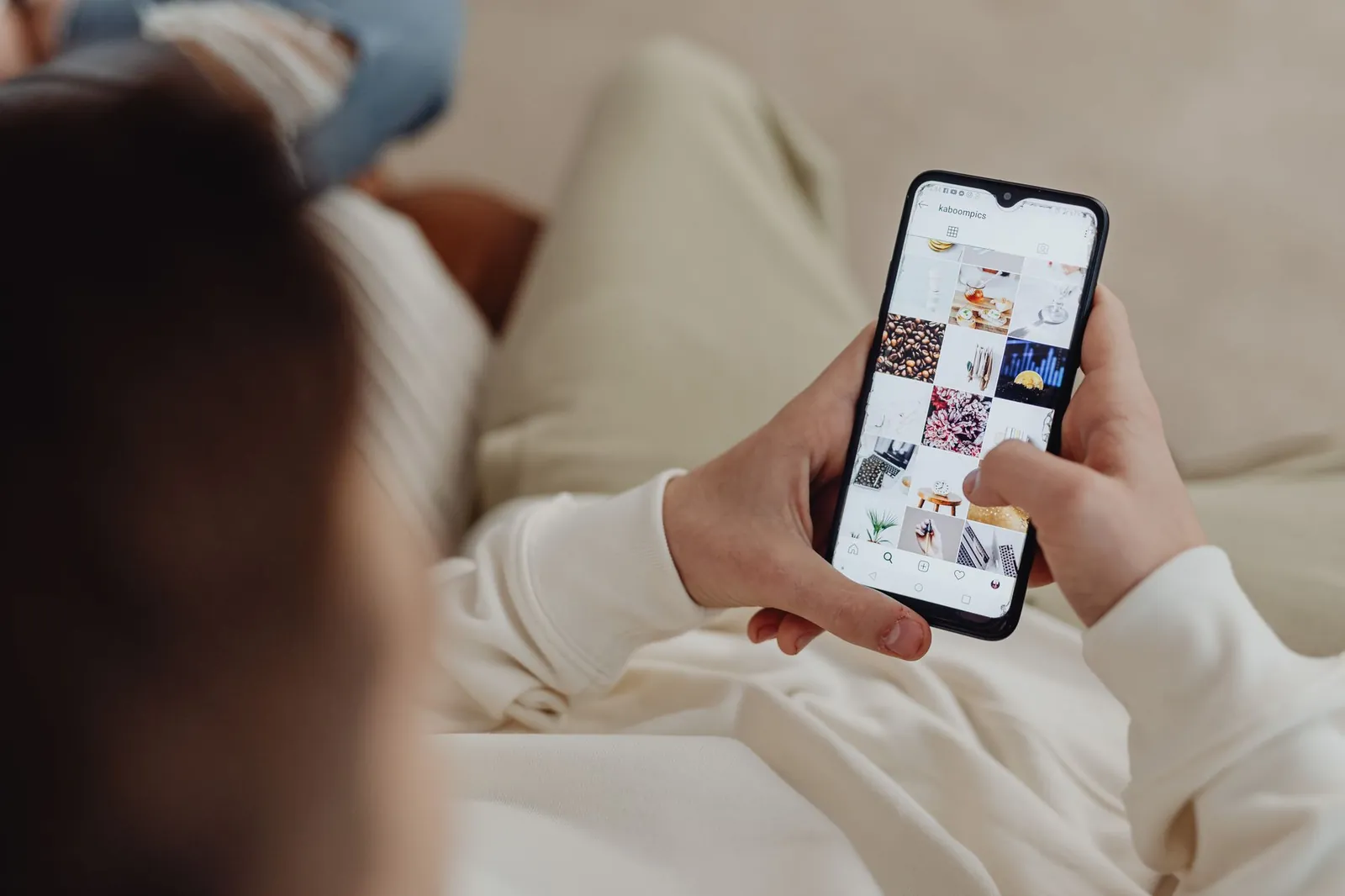
Most language-learning advice still treats Instagram like a guilty pleasure — fine for motivation, bad for progress. That framing is stale. The platform has quietly become one of the richest, most diverse corpora of living language you can find, and the learners who treat it as a daily study tool, not a distraction, tend to outpace those who only use textbooks. The difference isn't willpower. It's knowing where to look and what to do with what you find.
The first thing Instagram offers is authentic input at scale. Follow native speakers in your target language — chefs, street photographers, hikers, comedians, local news outlets. Their captions, stories, and replies are unedited, full of slang, fillers, and the rhythm of real speech. Compare a chapter of any textbook with the comments under a viral reel in Spanish or Japanese: the gap in usefulness for building comprehension is enormous. You are training your ear and eye on the language people actually use, not the one committee members agreed on in 1994.
Second, the algorithm becomes a personalization engine. Spend a week engaging with short Portuguese cooking clips and your explore page fills with Brazilian street food, Lisbon travel vlogs, Cape Verdean music. Within days you have a self-curated feed of the dialect, register, and topics you care about. No textbook offers that. No flashcard app does either. For learners stuck at the intermediate plateau — where you understand grammar but native speech still feels too fast — this is often the thing that breaks the ceiling.
Third, the social layer forces production. Commenting on posts, replying to stories, dueting a reel — these are micro-writing tasks with immediate, real feedback. A native speaker might heart your comment, correct your conjugation, or just laugh at your joke. That exchange is worth more than twenty fill-in-the-blank exercises because there is a human on the other end who understood you. Production is where fluency is built, and Instagram makes it low-stakes and habitual.
Finally, niche communities thrive here. Search a hashtag in your target language — #francais, #学中文, #deutschlernen — and you find teachers posting mini-lessons, polyglots sharing study routines, and other learners asking the exact questions you have. The platform has effectively become a free, global language school that pays you in memes. The key is curation: prune aggressively, mute the noise, and follow for content, not clout.
If you want to make Instagram work for you this week, do this: pick one creator in your target language who posts something you genuinely enjoy, turn on post notifications, and spend ten minutes a day reading captions and writing one comment without translating. Within a month your comprehension will jump more than a semester of passive review — and you'll actually look forward to studying.