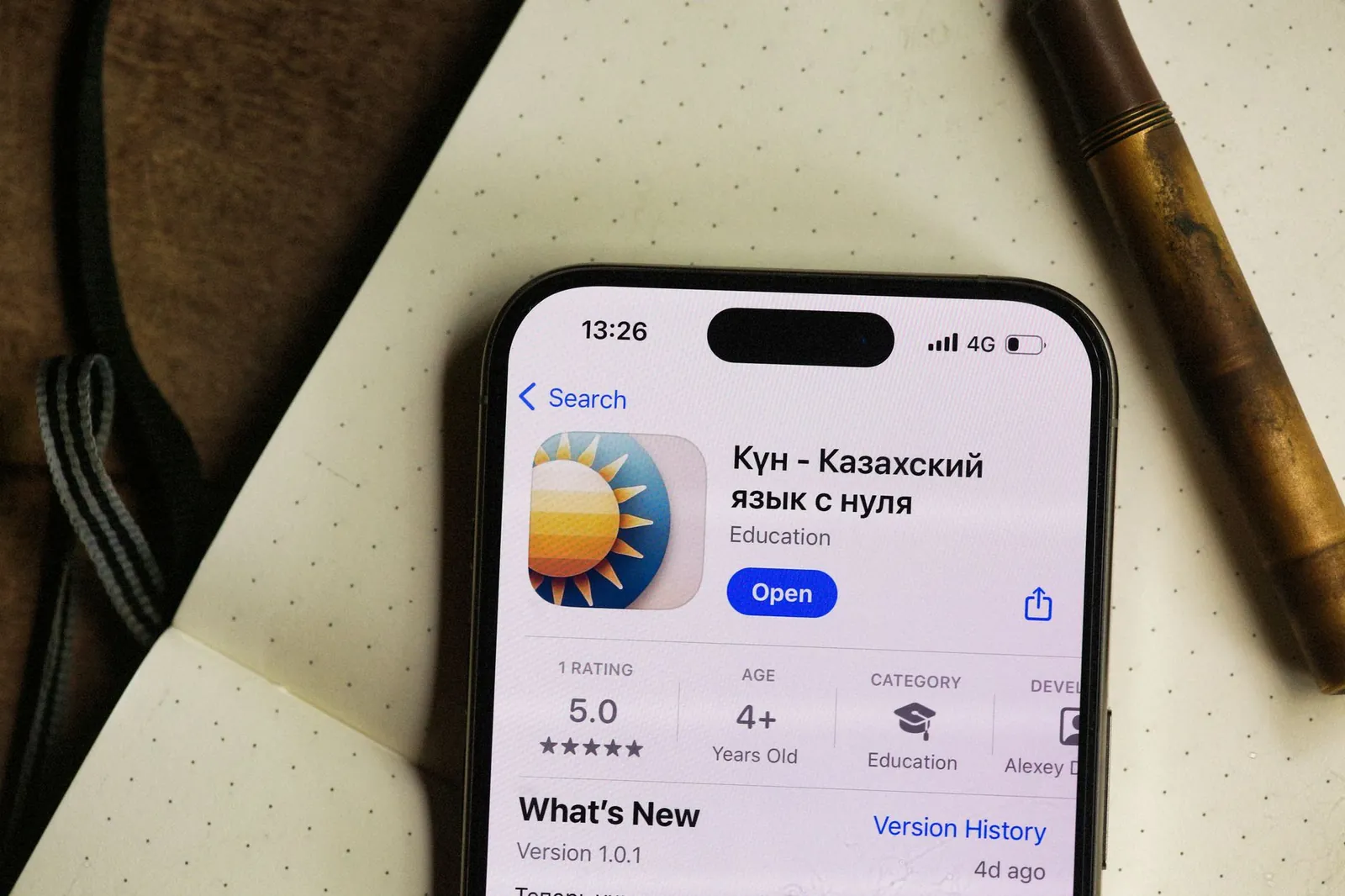
Most "AI language apps" in 2026 have converged on the same trick: a slick chat window, a friendly avatar, and a streak counter that nags you back. Useful, maybe. Teaching? Rarely. After a year of testing them on real learners — from a Japanese beginner relearning kana to a heritage Spanish speaker trying to finally reach C1 — the gap between "feels productive" and "actually acquires the language" turns out to be enormous. The apps that close that gap share a few things in common, and they are not the ones with the biggest ad budgets.
The first thing that separates a teaching app from a chat toy is whether it forces productive output under real constraint. A good benchmark: can the app give you an unscripted speaking prompt, listen to your answer, and grade it on grammar, vocabulary range, and pronunciation in under thirty seconds? If it cannot, you are practicing confidence, not competence. The current leaders do this well; the laggards still rely on multiple-choice drills dressed up as conversation.
Second, look at how the app handles mistakes. The teaching apps in 2026 treat errors as data. They resurface your recurring collocation mistakes two weeks later, in a new context, until the correct form is automatic. Apps that simply correct you and move on are mirrors, not tutors. A useful test: open the app after a week away. Does it remember that you keep saying "I am boring" instead of "I am bored," and slip the right one into today's lesson? If not, the "personalization" is marketing copy.
Third, real language apps now ship a spaced-repetition system that is tuned to spoken recall, not flashcards. Tapping a card to say "I know it" is not recall. The serious ones require you to produce the target phrase aloud or in writing before revealing the answer, and they schedule reviews around your personal forgetting curve, not a generic one.
Finally, the apps that genuinely teach in 2026 integrate reading and listening from content you actually care about — podcasts, news, novels — and let the AI explain whatever you did not catch in line, in your native language, without breaking flow. The "learn from Netflix" pitch is back, but only the top tier actually does the lookup, the shadowing prompt, and the export-to-vocab loop without making you babysit it.
If you want a short list to start with, try two or three of the leading spaced-recall apps for a month each, log what you can say without help on day one and day thirty, and pick the one that visibly moves that number. Progress you can measure is the only review that matters.
Want a deeper comparison, including the 2026 pricing traps and which apps to skip for tonal languages specifically? Subscribe to Lingua Lab and we will send the full breakdown next week.