Most app store rankings treat language learning like a popularity contest — downloads, star averages, whatever has the loudest ad budget this quarter. That's useless if you're an adult learner who actually wants to hold a conversation by summer. After two years of testing apps across Spanish, Japanese, and Italian — and watching polyglot communities argue about the same dozen tools — here's the honest cut.
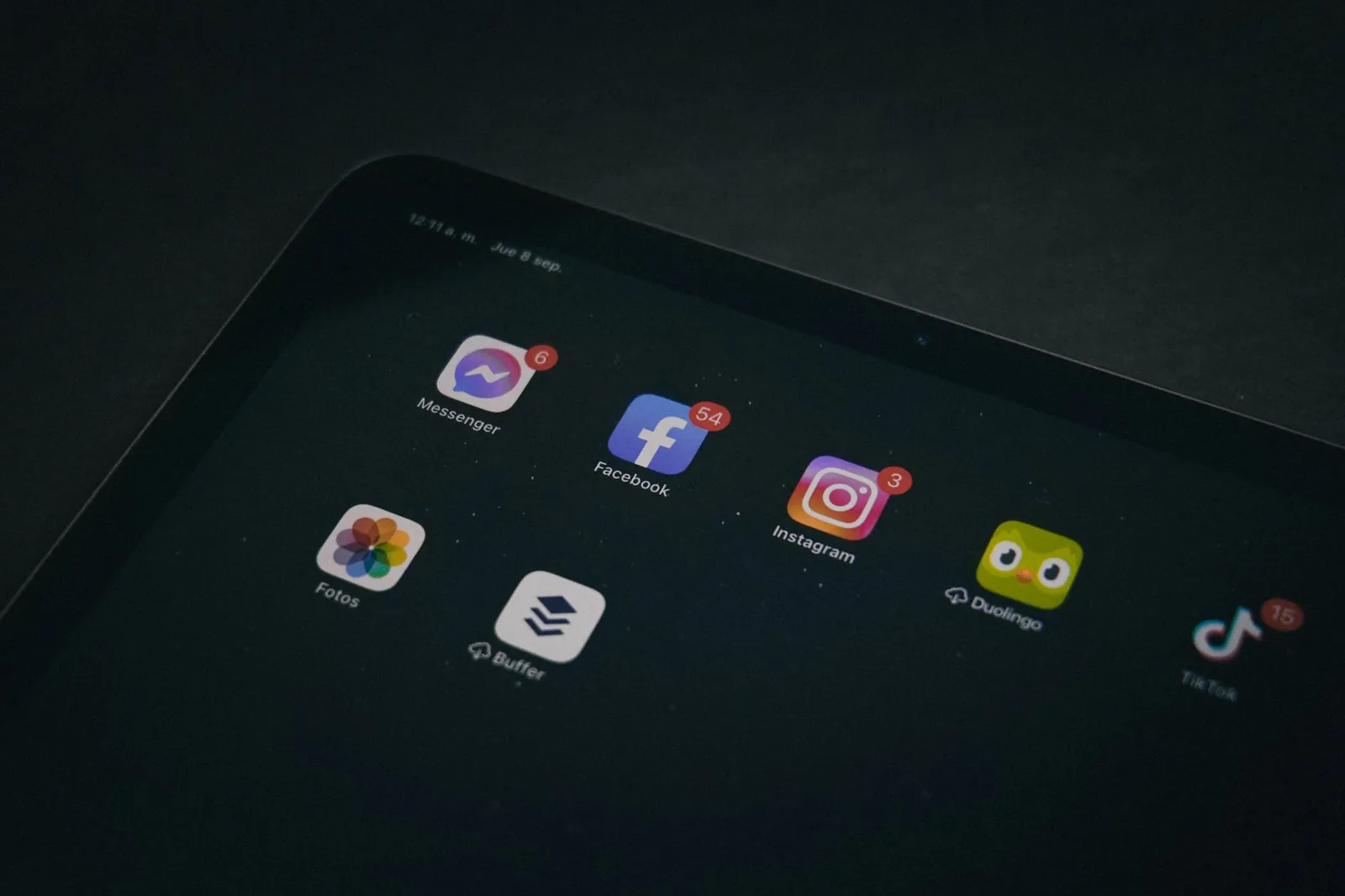
Duolingo still owns the habit-building throne, but only if you treat it as a warmup, not a curriculum. Its gamification genuinely works for the first 90 days, and the new video-call feature with Lily (the AI character) finally forces you to produce sentences instead of just tapping. The free tier is enough; the paid tier mostly buys you peace from ads and a few extra hearts. Rank it 1 not because it's the best teaching tool, but because it's the one you'll still open at 11pm on a Tuesday.
For serious structured study, Busuu and Babbel remain underrated. Busuu's community feedback on your writing assignments is genuinely better than what a $30/hour tutor gives you in the first lesson, and Babbel's grammar explanations are the closest thing to a textbook that doesn't feel like one. Both are subscription-only and worth it after the free trial.
Anki is the secret weapon nobody advertises. It's not pretty, the setup takes a weekend, and you'll curse it for the first month. Then six months in, you realize the 4,000 sentences you drilled actually live in your head ready to use. Pair it with a shared deck from Refold or the All Japanese All The Time community, and it beats every "smart" spaced-repetition app because you control the cards.
For speaking practice, two apps have changed the market in the last year. Speechling gives unlimited pronunciation feedback from real human coaches on a free tier, and the new wave of AI tutors (Gliglish, Speak) finally let you have a 20-minute conversation in your target language for the price of a coffee. They're not fluent conversation — they're reps, but reps are exactly what most learners skip.
Honorable mention: LingQ for reading massive amounts of native content with on-tap definitions, and Pimsleur if you commute and want audio-only learning that doesn't insult your intelligence.
If you only install one app, install Duolingo for the habit and pair it with Anki for the long-term retention. That's the boring, unglamorous combo that actually gets people to B2. For a deeper breakdown of how to stack these into a 90-day plan, subscribe to the newsletter — next week we're walking through the exact daily routine that takes a true zero to a confident A2 in Spanish.