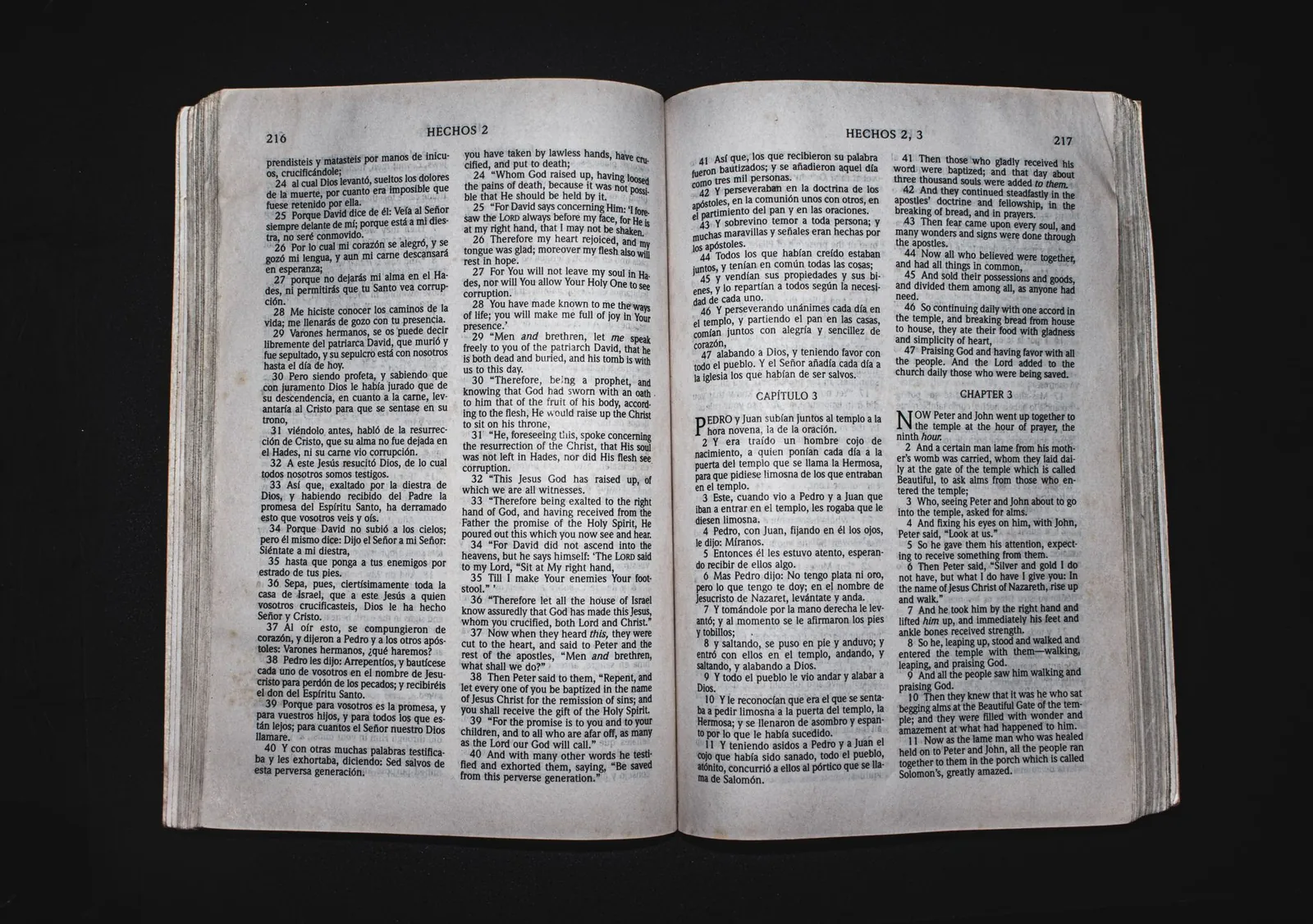
French and Spanish share roughly 75% of their vocabulary, much of their grammar, and an enormous amount of cultural rhythm. If you already speak French, you are far closer to conversational Spanish than you think. The trick is knowing which bridges to walk across, and which false friends to avoid.
Here are five practical ways to use the French you already have as a launchpad into Spanish.
- Transfer the cognates, but read them aloud. Words like "information," "imagination," "musique," and "animal" exist in both languages with nearly identical spelling and meaning. Read French texts slowly, mentally swapping the French pronunciation for a Spanish one. "Je suis étudiant" becomes "Soy estudiante" in your head without effort. The shift in vowel sounds is the main hurdle, and your ear adapts quickly because the roots are already familiar.
- Use grammar as a safety net. Spanish and French share core structures: gendered nouns, verb conjugations, subjunctive moods, and the placement of adjectives. Where they diverge, Spanish is often simpler. Spanish drops the French subjunctive in many "if" clauses and avoids grammatical gender for first-person plural. If a French construction feels heavy, ask whether Spanish has streamlined it. Usually, it has.
- Mine your French for the false friends. These are the trap words that look French but mean something different in Spanish. "Constipado" sounds like "constipated" in English, but in Spanish it means "to have a cold." "Embarazada" looks like "embarrassed," yet it means "pregnant." Build a short list of twenty or thirty of the most common ones, and review it weekly. Spotting the gap in real time is what prevents embarrassing mistranslations in conversation.
- Leverage listening overlap. When you hear Spanish speakers, listen for words you already know in French. You will catch "importante," "diferente," "perfecto," and dozens of others without subtitles. Spanish podcasts and YouTube channels become accessible study material because your French-trained ear is doing half the decoding work. Pick content with Spanish and French subtitles side by side to compare how the same idea is expressed in each language.
- Practice code-switching daily. Spend ten minutes a day reading a Spanish article while mentally translating it into French, and vice versa. This bilingual ping-pong builds the mental muscle that lets you switch between the two without losing your train of thought. The goal is not perfection, but fluidity, the kind that lets you jump from a French meeting into a Spanish call without rebooting your brain.
If you are ready to put this into practice, Lingua Lab offers structured crossover lessons designed specifically for French speakers learning Spanish. The platform pairs cognate recognition, false-friend drills, and side-by-side audio exercises so you can capitalize on what you already know. Start a free trial today and discover how much Spanish you already understand.