Most people don't fail at languages because they lack talent. They fail because they try to learn like they have unlimited free time, and then wonder why three months of Duolingo produces nothing but a faint guilt and the words for "the cat drinks milk." The truth is that busy learners — the ones with full calendars, small children, demanding jobs, and a stubborn desire to finally order coffee in Portuguese without pointing — actually have a structural advantage. They can't afford the inefficient, classroom-shaped methods that swallow hours and return almost nothing. Forced to optimise, they end up using the same tactics that polyglots have been quietly recommending for decades.
The first move is to stop treating the language like a school subject and start treating it like a phone you forgot at home. Comprehension comes from exposure, not from flashcards about vegetables. Keep a podcast, a YouTube channel, or an audiobook running in the background during commutes, dishes, and gym sets. You don't need to catch every word. You need the melody, the rhythm, the common connectors, the thousand tiny "oh, that word again" moments that build the scaffolding for everything else. An hour of half-attentive listening beats thirty minutes of intense study, because the half-attentive hour is the one you actually do.
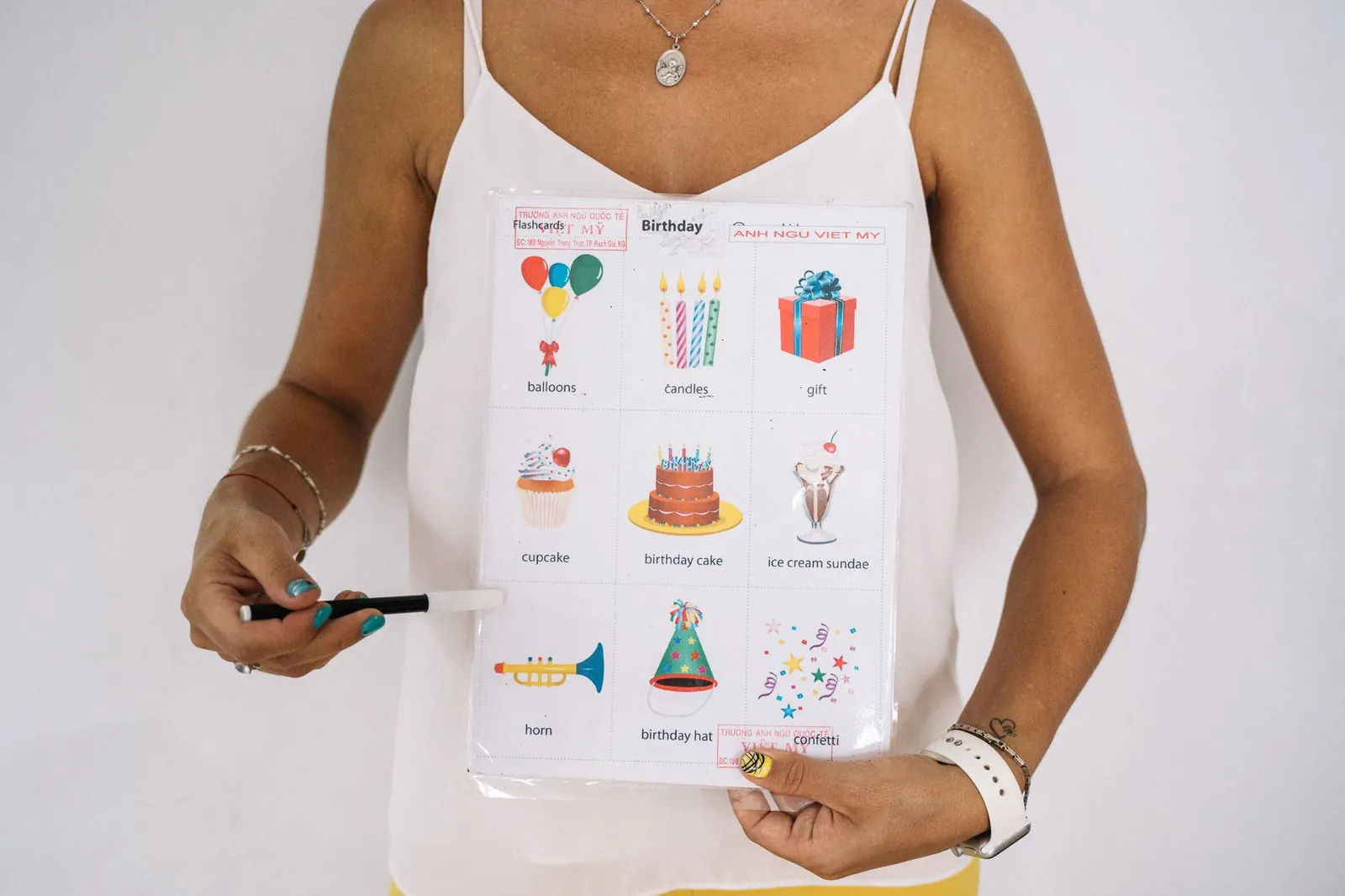
The second move is to shrink the unit of practice until it fits inside a waiting room. Five minutes with a flashcard app is not glamorous, but five minutes, three times a day, is fifteen minutes of retrieval practice that survives a packed schedule. Pair it with "micro-output": read one sentence out loud, text a friend in the target language, narrate what you are doing as you make breakfast. Output forces the language out of the passive shelf and into active recall, which is where retention actually lives.
The third move, and the one that quietly does the heaviest lifting, is to anchor learning to something you already consume. Pick a TV show, a football league, a cooking channel, a subreddit, a band. Learn the language through it. When the material is already in your daily rotation, you are not adding a new task; you are replacing English subtitles with Italian ones, learning the lyrics you already love, picking up vocabulary that has immediate context. This is how busy people get a thousand hours of input in a year without ever sitting down to "study."
The fourth move is to schedule two short, immovable conversation sessions per week, with a tutor, a partner, or a language exchange. Not because conversation is the only way to learn, but because a fixed appointment is the only thing that survives a busy calendar. Everything else can drift; the standing slot cannot.
If this sounds like less work than the language course you abandoned, that is the point. Faster language learning for busy people is not about cramming more in. It is about letting the language into the cracks that already exist in your day.
Ready to put this into practice? Start with one change this week: pick a show you already watch, switch the audio to your target language with subtitles in your native tongue, and watch fifteen minutes a day for seven days. Notice what you start catching by day four — and if you want a structured way to keep the streak alive, our language app tracks your daily exposure, suggests the next episode at your level, and turns the habits you already have into measurable progress.