Most people approach language learning the way they approach the gym in January: they binge, burn out, and quit. Fluency doesn't actually come from heroic study sessions. It comes from the small, unsexy things you do every single day, the equivalent of showing up for a twenty-minute walk instead of a two-hour marathon you hate. The learners who sound genuinely fluent five years from now are not the ones with the flashiest apps. They are the ones who built habits so quiet that nobody, including themselves, notices how much they are learning.
The first habit that changes everything is reading for ten minutes in the language you want to speak, every day, without a dictionary. Not ten minutes of flashcards. Not ten minutes of grammar drills. Ten minutes of a novel, a news article, a recipe, a Reddit thread. The goal is not to understand every word. The goal is to train your brain to infer meaning from context, which is exactly what real fluency looks like. After a few weeks, you will start noticing the same words and structures reappearing, and they will stick without any effort at all.
The second habit is speaking out loud for five minutes a day, even when nobody is listening. Read a paragraph from today's article, then close the screen and say it back in your own words. Narrate what you are doing while you make coffee. Describe the room you are sitting in. This is not performance. It is muscular. Your mouth needs to learn the shapes of the new language the same way your fingers learned to type, and that only happens through repetition, not through understanding.
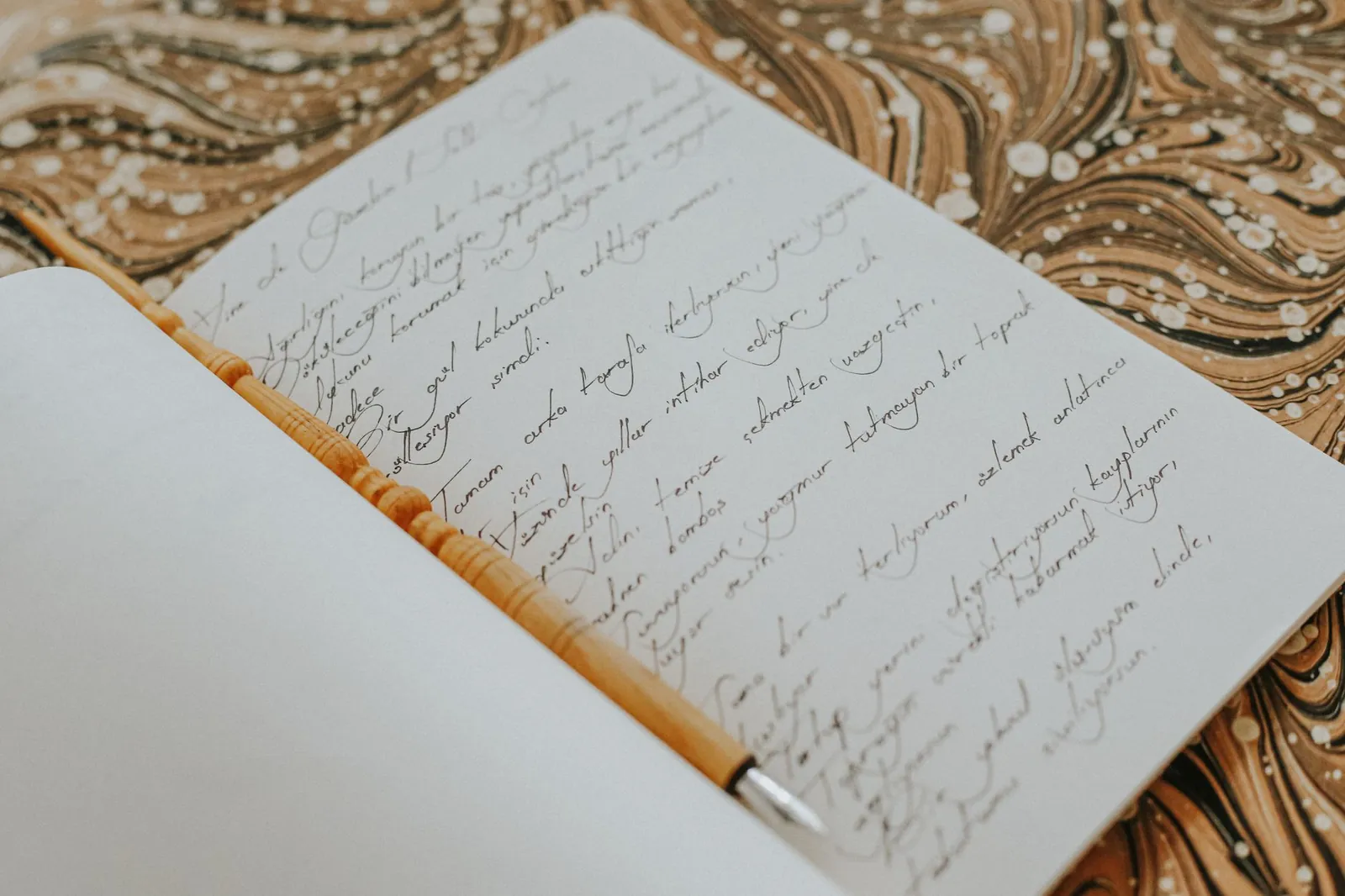
The third habit is keeping a "learning log" in the target language, even if it is only three sentences. Write what you did today, what you ate, what frustrated you. The point is not the writing. The point is forcing yourself to reach for words on demand, which is the exact skill you need when you are standing in a bakery in Lisbon and have to ask for something you have never tried. The sentences will be clumsy. Write them anyway.
The fourth habit is one most learners skip because it feels passive: listen to something in the language while you commute, do dishes, or walk. Podcasts aimed at learners are fine at the start, but switch to native content as soon as you can follow the gist. You are training your ear to catch rhythm, intonation, and the gaps where native speakers compress sounds. Comprehension grows in the background long after you stop consciously "studying."
If you only take one thing from this, take this: fluency is a side effect of small daily contact, not a destination you arrive at by cramming. Pick two of these habits, attach them to something you already do, and give them thirty days. You will be shocked at how much has quietly accumulated.
Ready to build a daily plan that actually fits your schedule and your target language? Tell me which language you are learning and how much time you realistically have each day, and I will draft a personalized thirty-day habit stack you can start tomorrow.